


As we step into 2025, the construction and design industries are buzzing with new innovations and trends that are reshaping how we build, live, and work. Whether you’re a homeowner, business owner, or a design enthusiast, these trends are not just futuristic—they’re already starting to transform the way we approach construction. Here’s a look at what’s trending in construction and design for 2025:
1. Sustainable Construction Practices: The Rise of Eco-Friendly Homes
Sustainability is no longer just a buzzword—it’s the foundation of modern construction. In 2025, eco-friendly homes are expected to be the norm rather than the exception. Green building practices, such as using sustainable materials, energy-efficient designs, and renewable energy sources like solar panels, are becoming standard in both residential and commercial spaces.
Companies like Thai Design & Construction Pvt Ltd are already leading the way by incorporating eco-conscious solutions into their projects. Whether it’s designing homes that maximize natural light, or using locally sourced, sustainable building materials, the focus is on creating homes that are not only stylish but also environmentally responsible.
2. Smart Homes and Automation: Living in the Future
The future of home design is smart. In 2025, more and more homes will be built with integrated smart technology, making everyday living more convenient and energy-efficient. Home automation systems that control lighting, temperature, security, and appliances from your smartphone or voice assistant are becoming standard features in new homes.
Builders are also focusing on designing homes with smart infrastructure, ensuring that homes are future-proofed to accommodate the latest technological advancements. This trend is not just about luxury—it’s about functionality, comfort, and long-term sustainability.
3. Modular and Prefabricated Construction: Faster, Cheaper, and More Efficient
One of the biggest trends in construction in 2025 is the rise of modular and prefabricated buildings. This innovative construction method involves assembling parts of a building in a factory setting before being transported and assembled on-site. The benefits? Reduced construction time, lower costs, and fewer material waste, making it a great option for both residential and commercial buildings.
In urban areas like Tirunelveli and other growing towns in Tamil Nadu, modular homes and prefab commercial spaces are quickly becoming popular due to their efficiency and affordability. This trend allows for more flexibility in design, enabling homeowners and businesses to customize spaces to their exact needs without the lengthy timelines of traditional construction methods.
4. Biophilic Design: Bringing Nature Indoors
As we continue to recognize the importance of mental and physical well-being, biophilic design is gaining momentum in 2025. This design approach focuses on incorporating natural elements—such as plants, natural light, and water features—into the architecture to create a calming, harmonious environment.
Biophilic design isn’t just for homes; it’s being embraced in commercial spaces as well. In fact, many businesses are investing in office spaces that prioritize employee well-being through natural surroundings and a connection to nature. Whether it’s a living wall in the lobby or a rooftop garden, biophilic elements are becoming a must-have for forward-thinking projects.
5. 3D Printed Homes: The Cutting Edge of Affordable Housing
Imagine building a house with a 3D printer. In 2025, 3D printed homes are set to revolutionize the housing market, particularly in areas with a high demand for affordable housing. The technology allows for the rapid construction of homes using concrete or other materials, significantly reducing labor costs and construction time.
In addition to cost and time savings, 3D printing offers incredible design flexibility. Custom homes can be built with unique shapes and layouts, making it an exciting option for homeowners looking for something truly one-of-a-kind. This trend could change the game for both residential construction and urban planning, offering a solution to housing shortages in growing cities.
6. Energy-Efficient Facades: Going Beyond Solar Panels
Energy efficiency is a top priority for modern construction, and in 2025, more buildings will feature energy-efficient facades that regulate temperature and improve insulation. These facades use advanced materials and techniques to reduce the need for heating and cooling, which means lower energy bills and a smaller carbon footprint.
Architects are also using innovative designs that allow buildings to harness natural energy sources, such as wind and sunlight, to power lighting and heating. Whether through solar glass windows or advanced insulation systems, energy-efficient facades are a key part of sustainable construction.
7. Minimalist and Multi-Functional Interiors: Maximizing Space and Style
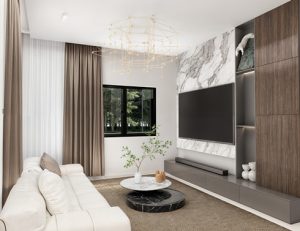
In 2025, less is more when it comes to interior design. The minimalist trend continues to rise, with a focus on clean lines, open spaces, and functional layouts that reduce clutter. This approach allows homeowners to make the most of their space, whether they live in a compact apartment or a sprawling house.
Additionally, multi-functional furniture and spaces are gaining popularity. Rooms are being designed to serve multiple purposes—think a home office that doubles as a guest bedroom or a dining area that transforms into a media space. This trend is particularly important as urban living becomes more condensed and people look for creative solutions to maximize their living environments.
8. Resilient Construction: Building for the Future
With the growing awareness of climate change and the increased frequency of extreme weather events, resilient construction is more important than ever. In 2025, construction companies will focus on building homes and commercial spaces that can withstand natural disasters such as floods, hurricanes, and earthquakes.
This includes using materials that are more durable and weather-resistant, as well as incorporating design elements like reinforced foundations and flood-proofing techniques. By investing in resilient construction, builders ensure that homes and businesses are safe and sustainable, no matter what the future holds.
Conclusion: The Future of Construction is Here
In 2025, the construction and design landscape is rapidly evolving, with trends that are pushing the boundaries of innovation, sustainability, and efficiency. From smart homes to 3D printed buildings and energy-efficient facades, these trends are not just shaping the future of construction—they’re improving the quality of life for homeowners, business owners, and communities alike.
Whether you’re building your dream home, a commercial space, or investing in sustainable design, staying on top of these trends will help ensure your project is built for the future. At Thai Design & Construction Pvt Ltd, we’re ready to help you embrace these exciting trends and bring your vision to life with the latest in construction and design excellence.